
The City of Bountiful envisions a sustainable, healthy, and resilient future where its citizens thrive in a clean environment, benefit from renewable energy, and contribute to the global effort to combat climate change. Through leadership, innovation, and community action, we aim to reduce our carbon footprint and create a more sustainable city for generations to come.
Introduction
The City of Bountiful recognizes the urgent need to address climate change and its impacts on our community. We are committed to reducing greenhouse gas emissions, improving air quality, and promoting sustainability in line with the goals set out by national and international frameworks like the Paris Agreement. This Climate Action Plan (CAP) lays out Bountiful’s strategic approach to reduce carbon emissions, transition to renewable energy, improve waste management, and enhance community resilience to climate impacts.

Goals
Reduce Greenhouse Gas Emissions (GHG): Cut GHG emissions by 50% by 2035 and aim for net-zero emissions by 2050.
Clean and Renewable Energy: Achieve 100% clean, renewable energy for all municipal operations by 2030 and community-wide by 2045.
Sustainable Transportation: Increase the share of zero-emission vehicles and improve access to public transportation by reducing dependency on fossil fuel-powered vehicles.
Waste Reduction and Management: Divert 90% of waste from landfills by 2035 through enhanced recycling and composting programs.
Community Resilience: Implement strategies to protect public health, infrastructure, and ecosystems from climate-related impacts like wildfires, heatwaves, and water scarcity.
Municipal Operations: Retrofit city buildings with energy-efficient lighting, heating, and cooling systems. Install solar panels on municipal buildings and expand the use of electric vehicles (EV) in city fleets.
Community Programs: Incentivize homeowners and businesses to install solar panels and adopt energy-efficient technologies through rebates and tax credits. Partner with local utilities to expand clean energy programs.
Renewable Energy Partnerships: Collaborate with energy providers like Rocky Mountain Power to increase the share of renewable energy in Bountiful’s power grid, with a focus on solar, wind, and geothermal.
Sustainable Transportation
Public Transit Expansion: Work with the Utah Transit Authority (UTA) to improve public transportation access, frequency, and reliability within Bountiful, reducing car dependency.
Electric Vehicle Adoption: Expand the availability of EV charging stations across the city, particularly in public parking areas, and offer incentives for residents to switch to electric vehicles.
Active Transportation: Invest in safe and accessible pedestrian and bicycle infrastructure, including dedicated bike lanes and trails connecting major parts of the city.
Smart Growth and Transit-Oriented Development (TOD): Encourage denser, mixed-use developments near public transit corridors to reduce the need for long car commutes.
Zero-Waste and Circular Economy
Waste Diversion: Expand curbside recycling and composting programs, aiming for 90% waste diversion by 2035. Work with waste management companies to optimize waste collection and recycling processes.
Public Education Campaigns: Increase community awareness of waste reduction, recycling, and composting. Partner with schools, businesses, and local organizations to promote zero-waste principles.
Business Engagement: Partner with local businesses to reduce plastic waste, encourage sustainable packaging, and adopt circular economy practices that emphasize reuse and recycling.
Water Conservation and Management
Water Efficiency Programs: Promote the use of drought-tolerant landscaping (xeriscaping) and install smart water meters to help residents monitor and reduce water use.
Stormwater Management: Improve green infrastructure to manage stormwater, reduce flooding risks, and enhance water quality by constructing rain gardens, permeable pavements, and other natural water filtration systems.
Agriculture and Urban Water Use: Work with local farmers to implement water-efficient irrigation techniques and support sustainable agricultural practices that conserve water and improve soil health.
Resilience to Climate Impacts
Wildfire Preparedness: Collaborate with state and federal agencies to enhance wildfire preparedness, improve forest management, and protect the city’s surrounding natural landscapes.
Heat Mitigation: Develop urban heat mitigation strategies, such as increasing tree canopy cover, expanding green spaces, and promoting cool roofing materials to reduce heat islands.
Emergency Preparedness: Strengthen the city’s emergency response plans to address climate-related disasters like extreme heat, droughts, and severe storms.
Water Supply Resilience: Work to secure long-term water supply through partnerships with state water agencies and by exploring sustainable groundwater management practices.
Citywide Renewable Energy Integration: Establish a commitment to transition Bountiful to 100% renewable energy sources for municipal operations by a set target year (e.g., 2035).
Inner-City Shuttle Bus System: Introduce a free or low-cost electric shuttle bus service to reduce short-distance car travel, cutting down emissions and traffic congestion.
Solar-Powered Street Lighting: Gradually replace traditional streetlights with solar-powered LED lights to save energy and reduce carbon emissions.
Expanded Roundabouts: Build more roundabouts to reduce car idling and improve traffic flow, decreasing fuel consumption and emissions.
Electric Vehicle (EV) Incentive Programs: Launch a voucher program that offers rebates or subsidies for residents transitioning to electric vehicles or hybrids.
EV Charging Infrastructure: Install more public electric vehicle charging stations throughout the city to encourage EV adoption.
Energy-Efficient Building Retrofits: Offer incentives for homeowners and businesses to upgrade to energy-efficient appliances, windows, insulation, and HVAC systems.
Solar Panel Installation Support: Expand access to solar energy by providing grants or low-interest loans for residential and commercial solar panel installations.
Net-Zero New Buildings: Update building codes to require all new municipal buildings to meet net-zero energy standards by a certain year.
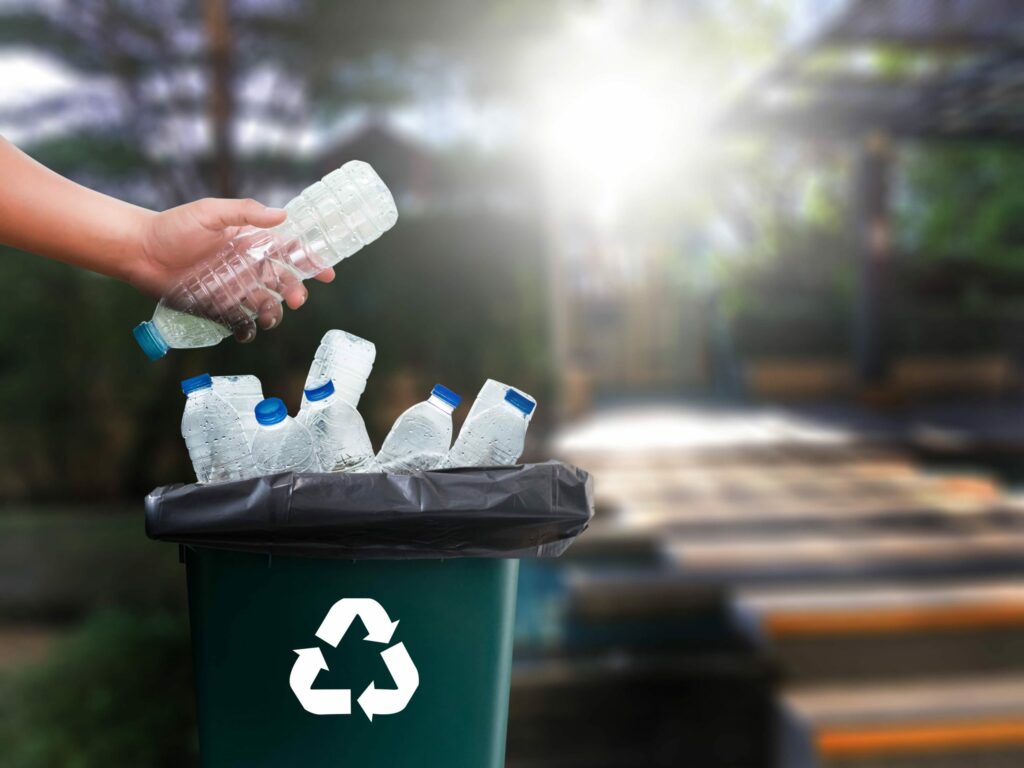
Comprehensive Citywide Recycling Program: Improve and expand recycling efforts, including organic waste and composting programs.
Zero Waste Initiatives: Partner with businesses and residents to promote zero-waste practices, focusing on reducing single-use plastics and packaging waste.
Public Meetings for Climate Conversations and Training: Host regular community meetings to discuss the importance of climate action and offer training on sustainability practices, such as energy conservation, recycling, and water management.
Youth Climate Leadership Program: Encourage the next generation by creating programs in schools and after-school clubs focused on environmental stewardship and sustainable practices.
Green Job Training: Develop workforce training programs for green industries, such as renewable energy installation, electric vehicle maintenance, and sustainable agriculture.
Drought-Resilient Landscaping: Encourage residents to adopt xeriscaping and water-wise landscaping practices through rebates and workshops.
Smart Irrigation Systems: Install smart water irrigation systems in parks and public spaces to reduce water waste.
Rainwater Harvesting Programs: Promote the use of rain barrels and other rainwater collection methods to reduce strain on the local water supply.
Urban Tree Canopy Expansion: Launch a citywide tree-planting campaign to increase green spaces and improve air quality.
Community Gardens: Create and maintain community gardens in urban areas to promote local food production and green spaces.
Flood Mitigation and Stormwater Management: Improve the city’s stormwater systems to better manage flooding and reduce the impacts of extreme weather events.
Green Roofs and Cool Roofs: Promote the use of green roofs and cool roofs in urban areas to reduce heat island effects and improve energy efficiency.
Electric Buses for Public Transit: Transition the city’s public transportation fleet to electric buses, reducing air pollution and greenhouse gas emissions.
Achieving these ambitious climate goals will require securing diverse funding sources and forming key partnerships, including:
Federal and State Grants: Apply for federal and state-level grants dedicated to renewable energy, transportation infrastructure, and climate resilience.
Public-Private Partnerships: Collaborate with local businesses, non-profits, and universities to pool resources and share expertise for sustainable development projects.
Community Funding Mechanisms: Explore options like green bonds and community crowdfunding initiatives to fund renewable energy projects and green infrastructure.
The successful implementation of Bountiful’s Climate Action Plan will require ongoing collaboration between city officials, businesses, and residents. The city will:
Create a Climate Action Advisory Committee to oversee the implementation and progress of the CAP, including representatives from city departments, businesses, and community groups.
Annual Reporting: Publish an annual CAP progress report detailing GHG emissions reductions, energy transitions, and community resilience efforts. Adjust strategies based on the latest climate science and community needs.
Public Engagement: Host regular town hall meetings, workshops, and webinars to engage residents in the CAP, offering opportunities for public input and education on how individuals can contribute to climate goals.
Earth Action of Bountiful is committed to leading by example and setting a path toward a sustainable future. By implementing the actions outlined in this Climate Action Plan, we aim to not only reduce our carbon footprint but also improve the health, economy, and resilience of our community. Together, we can create a cleaner, greener Bountiful for generations to come.
Bountiful Climate Action Plan is designed not just to reduce carbon emissions but also to build a healthier, more sustainable future for all residents. By coming together as a community, we can take meaningful steps to protect our environment and ensure a livable city for generations to come.
What ideas and actions resonate with you? We want to hear from you. Let’s create a greener, more resilient Bountiful together.